
Learn fitness, healthy whole food diets, wellness, and other personal training tips/recipes from Denver’s weight loss personal trainer.

7 Healthy Habits of Fit People for Long-Term Fitness
Summary
Discover 7 healthy habits of fit people, including exercise consistency, sleep, whole foods, progress tracking, and expert support from a Denver personal trainer.
What healthy habits do fit people follow?
Truly fit people stay consistent by keeping perspective, listening to their bodies, exercising despite obstacles, eating whole foods, sleeping well, tracking progress, training with intention, and using expert support. Their success comes from repeatable routines, not perfection, extreme diets, or short-term motivation.
Topics
healthy habits of fit people
habits of fit people
healthy fitness habits
how fit people stay in shape
sustainable fitness habits
daily habits for fitness
long-term fitness habits
fitness lifestyle habits
personal trainer Denver healthy habits
personal training LoHi Denver
how to stay fit long term

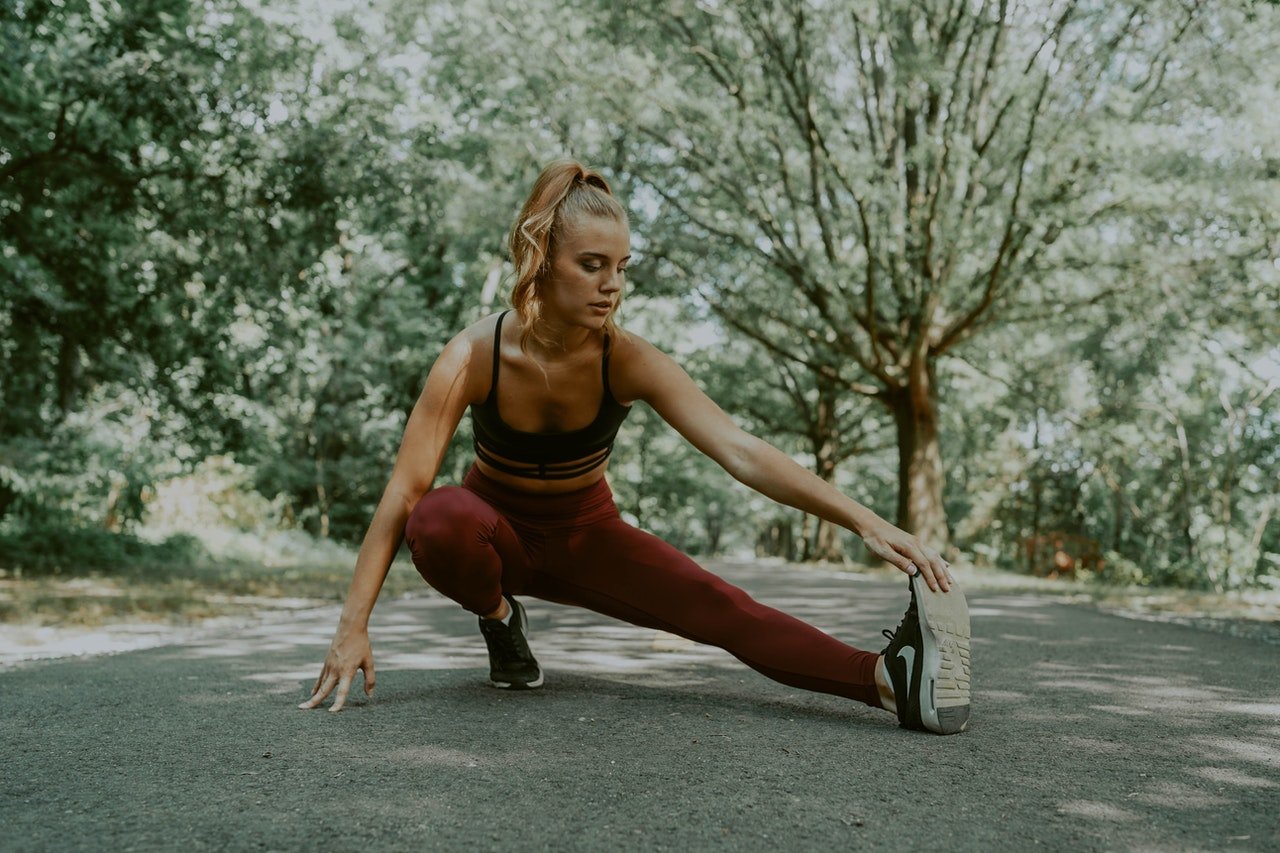
Women's Fitness / Photo: Jonathan Borba
Table of Contents
What Truly Fit People Understand About Long-Term Health
Featured Snippet Answer
Quick Summary: The 7 Healthy Habits
Habit 1: They See Each Day With Perspective
Habit 2: They Know Their Bodies
Habit 3: They Find Ways Around the Reasons
Habit 4: They Eat and Sleep Well
Habit 5: They Track Progress
Habit 6: They Think During Exercise
Habit 7: They Lean on a Personal Trainer or Trusted Health Professional
How to Start Building These Habits This Week
Local Authority Signal: Denver Fitness Habits
Related Articles
SEO Keywords, Title, Meta Description, and FAQs
Peer-Reviewed Citations and Link Validation Checklist
What Truly Fit People Understand About Long-Term Health
You’ve heard that being fit is all about “the lifestyle,” not the quick fix. That phrase gets repeated so often that it can start to sound like a cliché, but it is still the most accurate way to describe long-term fitness. Truly fit people are not necessarily the people who never miss a workout, never eat dessert, or never have a stressful week. They are the people who know how to return to the habits that keep them grounded. They understand that health is built through repeated choices: how they move, how they recover, how they eat, how they sleep, how they manage setbacks, and how they use support when motivation fades.
Modern research continues to support this practical view. Sleep, diet, and physical activity are commonly treated as core “pillars” of health because they are modifiable behaviors connected to chronic disease risk and overall well-being. A 2023 study of Australian adults identified sleep, diet, and physical activity as key health behaviors and found that people often prioritize these behaviors differently depending on their life circumstances, reinforcing the need for individualized habit-building rather than one-size-fits-all advice.
If you want expert support applying these habits to your own life, working with a personal trainer in Denver or exploring personal training in LoHi Denver can help you turn broad fitness advice into a structured plan you can actually maintain.
Quick Summary: The 7 Healthy Habits
They recover quickly from imperfect days.
They pay attention to energy, soreness, sleep, hunger, and performance.
They solve scheduling problems instead of making excuses.
They prioritize whole foods and quality sleep.
They track meaningful progress without obsessing.
They exercise with focus, form, and purpose.
They use guidance from a personal trainer or trusted health professional.
1. They See Each Day With Perspective
Fail to meet your fitness goals today? Move on. Tomorrow is another chance to make smarter decisions. One of the most important habits of fit people is emotional recovery. They do not treat one missed workout, one stressful day, or one unplanned meal as proof that they have failed. They understand that consistency is not the same as perfection.
This mindset matters because many people abandon their health goals after a single disruption. They miss a Monday workout and assume the week is ruined. They overeat at dinner and decide to “start fresh next month.” They travel, get busy, lose sleep, and wait for life to calm down before returning to movement.
Fit people think differently. They understand that the next decision is always available. You cannot change what happened yesterday, but you can control your next meal, your next walk, your next workout, and your next bedtime. A useful question is: “What is the next helpful action?” Not the perfect action. Not the most intense action. Just the next helpful one. That might mean a 20-minute walk after a long workday, a protein-rich breakfast after a poor night of sleep, or a lighter strength session when your body feels tired. This perspective helps remove shame from the process and keeps you connected to the larger goal: building a body and lifestyle you can maintain.
2. They Know Their Bodies
When you finish a workout, you should usually feel better—not destroyed. Some fatigue is normal. Muscle soreness can happen. Challenging effort is part of training. But if every workout leaves you depleted, irritable, injured, or unable to recover, something needs to change.
Fit people pay attention to how their bodies respond. They notice whether a certain exercise irritates their lower back. They recognize when poor sleep makes heavy lifting less productive. They understand that hunger, mood, digestion, joint discomfort, and energy are all feedback signals. This does not mean they avoid hard work. It means they train with awareness. Knowing your body includes asking:
Do I recover well between workouts?
Does my energy improve or decline after training?
Am I sleeping enough to support my goals?
Do certain foods help me feel steady, focused, and satisfied?
Are my joints tolerating my current program?
Do I need mobility, strength, conditioning, or recovery most right now?
Research on sleep, physical activity, and diet supports the idea that these behaviors interact. The 2023 “pillars of health” study notes that physical activity, sleep, and diet influence each other and are associated with multiple health outcomes. In practical terms, your workout plan is not separate from your sleep, food, stress, and daily movement. Your body experiences all of it together. The better you understand your body, the easier it becomes to adjust before small issues turn into major setbacks.
3. They Find Ways Around the Reasons
Everyone has reasons not to exercise. Too busy. Too tired. Too much work. Too much travel. Too many family responsibilities. Too little motivation. Too little time. Fit people have those same obstacles. The difference is that they look for solutions before they surrender to the obstacle.
They may shorten the workout rather than skip it. They may walk during a lunch break. They may keep resistance bands at home. They may train earlier in the day if evenings are unpredictable. They may schedule workouts the same way they schedule meetings. This habit is not about being rigid. It is about being resourceful.
A 45-minute workout is great. A 20-minute workout can still matter. Ten minutes of mobility is better than another full day of sitting. A short session will not replace a complete program, but it keeps the identity alive: “I am someone who moves.”
The key is to separate the real barrier from the assumed barrier. “I do not have time for my normal workout” is not the same as “I cannot move today.” “I am tired” is not always a reason to skip; sometimes it is a reason to lower intensity and focus on circulation, mobility, and recovery. Fit people do not always feel motivated. They have simply built systems that reduce their dependence on motivation.
4. They Eat and Sleep Well
Nutrition and sleep are not side projects. They are part of the training plan. Fit people tend to build their meals around whole or minimally processed foods: vegetables, fruit, legumes, whole grains, lean proteins or plant-based protein sources, nuts, seeds, and healthy fats. They do not need a perfect diet, but they do need a repeatable structure that supports energy, appetite control, recovery, and long-term health. They also treat sleep as a performance habit. Sleep influences hunger, decision-making, recovery, mood, and exercise readiness. When sleep falls apart, nutrition and training often become harder to maintain.
Recent research supports looking at sleep, diet, and activity together. Gupta and colleagues describe sleep, diet, and physical activity as “The 3 Pillars of Health” and note their relevance to chronic disease risk. A 2023 scoping review of randomized clinical trials also concluded that physical activity can be effective and safe for improving sleep disturbance across several populations. Another 2023 BMC Public Health study found that sedentary behavior was associated with poor sleep quality during the COVID-19 pandemic, while moderate-to-vigorous physical activity appeared to reduce some of that adverse association.
For everyday fitness, this means your best plan is rarely just “work out harder.” A smarter plan may include a consistent bedtime, fewer ultra-processed foods, more protein and fiber, better hydration, and a training schedule that matches your recovery capacity. The goal is not dietary perfection. The goal is to eat and sleep in ways that make your next healthy decision easier.
5. They Track Progress
For some people, tracking health progress sounds about as exciting as watching paint dry. But once you use it correctly, it can become one of the most useful tools in your fitness routine. Tracking is not just about weight. In fact, scale weight alone can be misleading. Fit people often track several indicators:
Strength improvements
Workout consistency
Energy levels
Sleep quality
Step count or daily movement
Waist measurement
Resting heart rate
Mobility changes
Pain or discomfort patterns
Food habits
How clothes fit
Progress photos, when appropriate
The point is not to obsess over every number. The point is to gather feedback. If your strength is improving, your waist is decreasing, your sleep is better, and your energy is steady, you may be making meaningful progress even if the scale moves slowly.
Evidence supports the usefulness of feedback and monitoring. A 2022 BMJ systematic review and meta-analysis found that physical activity monitor-based interventions improved physical activity and moderate-to-vigorous physical activity in adults. A 2025 randomized controlled trial also found that adherence to self-monitoring and behavioral goals was associated with greater weight loss in an mHealth intervention.
Tracking works best when it informs decisions. If your sleep drops, you may reduce workout intensity. If your steps fall, you may add a daily walk. If your strength stalls, you may adjust recovery, protein, or training volume. Fit people use tracking as a compass, not a punishment.
6. They Think During Exercise
It is easy to move mindlessly through a workout. You can jog on a treadmill, swing weights, rush through reps, or copy exercises from social media without thinking about what your body is doing. Fit people are more intentional. They understand that exercise quality matters. They pay attention to posture, tempo, breathing, range of motion, joint position, and muscle engagement. They know why an exercise is in the program and what it is supposed to accomplish.
This is especially important for strength training. A squat is not just “go down and stand up.” A row is not just “pull the weight.” A plank is not just “hold still.” Every exercise has a purpose, and every repetition is an opportunity to reinforce better movement.
Intentional training can also reduce injury risk. If you are distracted, fatigued, or rushing through a movement you do not control, you are more likely to compensate. Over time, those compensations can create irritation in the knees, hips, shoulders, neck, or lower back. A simple rule: before each set, know what you are training and what good form should feel like. Ask yourself:
What muscles should be working?
What joint position am I trying to maintain?
Am I controlling the movement or using momentum?
Is this exercise still serving today’s goal?
Is discomfort muscular effort or joint irritation?
Fit people do not just exercise. They practice movement.
7. They Lean on a Personal Trainer or Trusted Health Professional
The final habit is one of the most overlooked: fit people use support.
That support may come from a personal trainer, physical therapist, registered dietitian, physician, health coach, or another qualified professional. The key is that they do not assume they must figure out everything alone.
A good personal trainer can help you build a program that fits your body, schedule, goals, injury history, and fitness level. They can adjust exercises, progress training intelligently, monitor form, and help you stay consistent when life becomes demanding.
Research supports the broader value of professional guidance and prompted physical activity interventions. A 2022 BMJ systematic review and meta-analysis found that physical activity interventions delivered or prompted by health professionals in primary care settings increased moderate-to-vigorous physical activity among adult patients. While a personal trainer is not the same as a primary care clinician, the principle is relevant: structured guidance, accountability, and professional support can help people move from intention to action.
This is one reason my personal training clients often make better progress than they do on their own. The workout is only one part of the equation. The larger goal is to build the awareness, structure, and decision-making skills that help them sustain fitness outside the gym. If you live in Denver and want a plan that accounts for strength, mobility, weight management, injury prevention, and lifestyle habits, working with a personal trainer in Denver or beginning personal training in LoHi Denver can help you turn these habits into a practical system.
How to Start Building These Habits This Week
Do not try to overhaul your entire life in one weekend. Choose one habit and make it specific. For example:
Walk 20 minutes after lunch three days this week.
Go to bed 30 minutes earlier on weeknights.
Add protein and produce to breakfast.
Track workouts for the next 14 days.
Replace one skipped workout with a 15-minute “minimum session.”
Book a movement assessment or personal training consultation.
Write down one lesson after each workout: energy, form, soreness, or mood.
The goal is to create repeatable wins. Once a habit becomes easier, build the next layer. Truly fit people are not superhuman. They have simply practiced returning to the basics more often than they drift away from them. Perspective, body awareness, problem-solving, nutrition, sleep, tracking, intentional movement, and expert support form the foundation. Fitness is not one dramatic decision. It is the pattern you return to.
Frequently Asked Questions (FAQ)
What habits do fit people follow every day?
Fit people usually follow simple, repeatable habits: they move consistently, eat mostly whole foods, sleep well, track progress, manage setbacks, train with intention, and use support when needed.
How do fit people stay consistent with exercise?
They plan workouts in advance, adapt when life gets busy, and use shorter workouts when necessary instead of skipping movement entirely.
Why is sleep important for fitness?
Sleep supports recovery, appetite regulation, mood, energy, and workout performance. Poor sleep can make exercise and healthy eating harder to maintain.
Should I track my workouts and food?
Tracking can help you see patterns, measure progress, and make better decisions. You do not need to track forever, but short-term tracking can improve awareness.
Do fit people ever miss workouts?
Yes. The difference is that fit people return quickly to their routine instead of letting one missed workout become a missed week.
Can a personal trainer help me build healthier habits?
Yes. A personal trainer can design a realistic plan, coach proper technique, provide accountability, and adjust your workouts based on your goals, limitations, and lifestyle.
What is the most important habit for long-term fitness?
Consistency is the most important habit. The best plan is the one you can repeat, adjust, and maintain through real-life stress, travel, work, and family demands.
Peer-Reviewed Citations From 2019–Today
Full citation: Larsen RT, Wagner V, Korfitsen CB, Keller C, Juhl CB, Langberg H, Christensen J. 2022. Effectiveness of physical activity monitors in adults: systematic review and meta-analysis. BMJ.
PMID: 35082116
DOI: 10.1136/bmj-2021-068047
Publisher: https://doi.org/10.1136/bmj-2021-068047Full citation: Kettle VE, Madigan CD, Coombe A, Graham H, Thomas JJC, Chalkley AE, Daley AJ. 2022. Effectiveness of physical activity interventions delivered or prompted by health professionals in primary care settings: systematic review and meta-analysis of randomised controlled trials. BMJ.
PMID: 35197242
DOI: 10.1136/bmj-2021-068465
Publisher: https://doi.org/10.1136/bmj-2021-068465Full citation: Parmanto B, Beatrice B, Cheng J, Bizhanova Z, Kariuki JK, Burke LE, Sereika SM, Conroy MB. 2025. Adherence to self-monitoring and behavioral goals is associated with improved weight loss in an mHealth randomized-controlled trial. Obesity.
PMID: 39962997
DOI: 10.1002/oby.24234
Publisher: https://doi.org/10.1002/oby.24234
ABOUT THE AUTHOR: MICHAEL MOODY, PERSONAL TRAINER
As an author, a personal trainer in Denver, and a podcast host, Michael Moody has helped personal training clients reach new fitness heights and achieve incredible weight-loss transformations since 2005. He also produces the wellness podcast "The Elements of Being" and has been featured on NBC, WGN Radio, and PBS.
Michael offers personal training to Denver residents who want to meet at the 2460 W 26th Ave studio….or in their homes throughout LoHi (80206), LoDo (80202), RiNo (80216), Washington Park (80209), Cherry Creek (80206, 80209, 80243, 80246, 80231), and Highlands (80202, 80211, 80212). Michael also offers personal training sessions in Jefferson Park (80211) and Sloan's Lake (80204, 80212).
If you’re looking for a personal trainer who can curate a sustainable (and adaptable) routine based on your needs and wants, Michael is the experienced practitioner you’ve been looking for. Try personal training for a month…your body will thank you!
Related articles
Overcoming Mental Barriers to Achieve Health and Fitness Goals: Insights from a Personal Trainer
The Transformative Cycle of Awareness, Acceptance, and Adaptation
Daily Habits to Prevent Weight Gain: Evidence-Based Tips From a Personal Trainer
99 Ways to Redefine Yourself in 2026 and Build Better Habits
In Denver, sustainable fitness often requires more than a generic gym routine. Between altitude, seasonal outdoor recreation, skiing, hiking, cycling, busy professional schedules, and the active lifestyle of neighborhoods like LoHi, Highlands, Sloan’s Lake, RiNo, and Washington Park, your body needs strength, mobility, cardiovascular conditioning, recovery, and smart progression. A Denver personal training plan should support both daily health and the outdoor activities that make Colorado living so rewarding. Michael Moody Fitness is based at 2460 W 26th Ave in Denver, and the LoHi page highlights local personal training for Denver residents seeking individualized support for strength, weight loss, functional fitness, and injury prevention.